 NOVIS
Build your own satellite.
NOVIS designs CubeSat hardware, publishes what we learn, and sells the kits, parts and models so students and makers can build real space systems on their own desks.
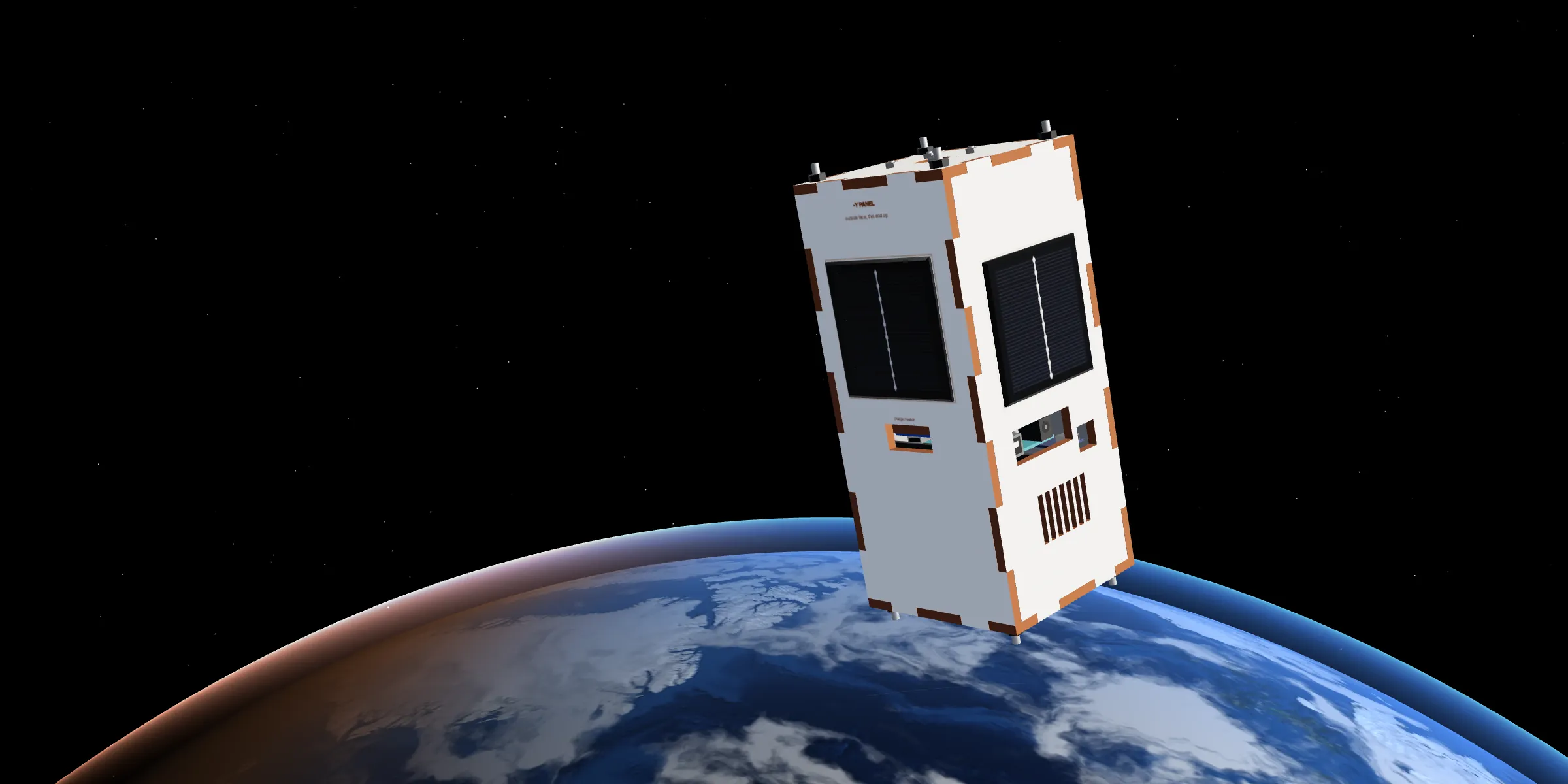
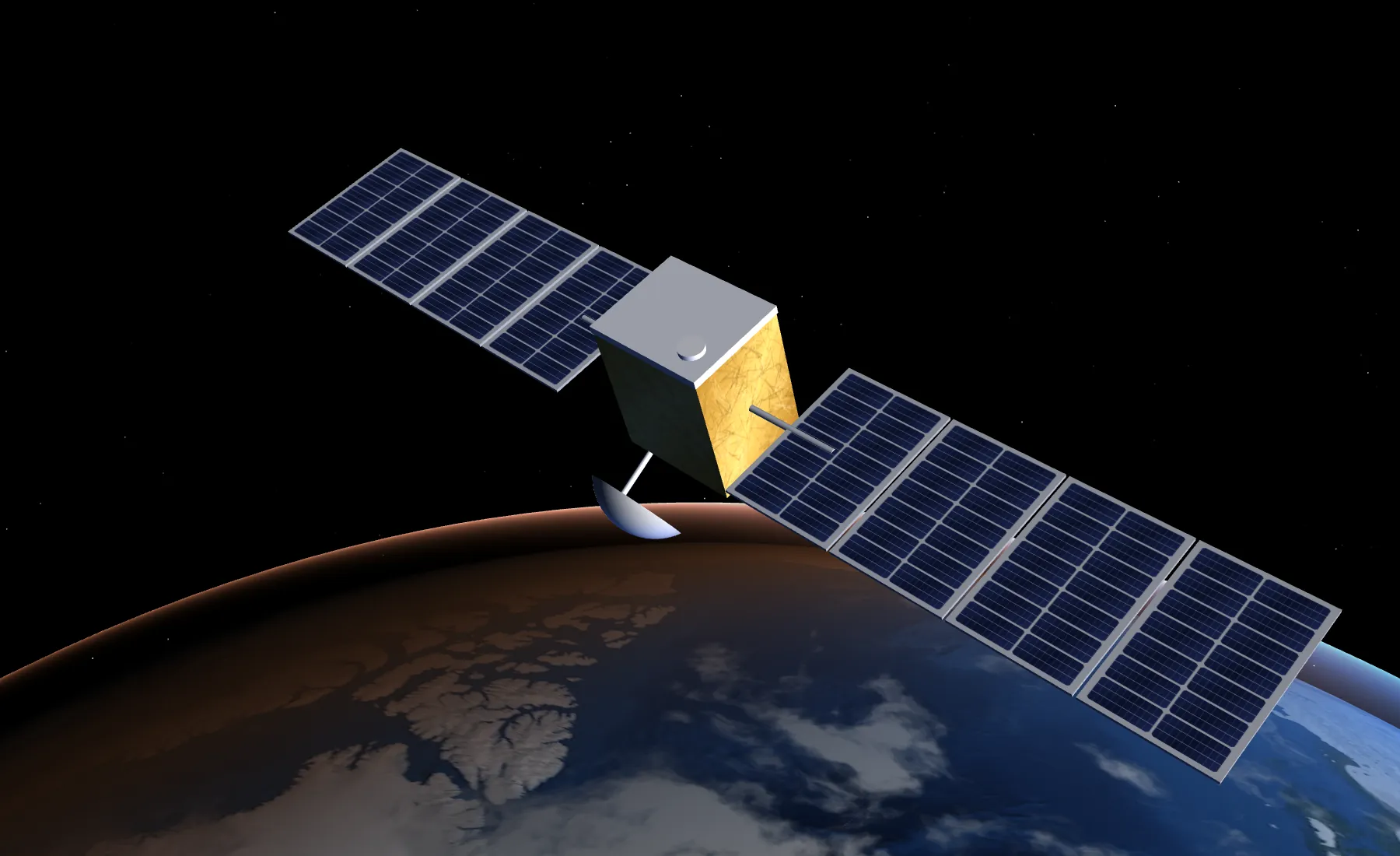
Render of the NOVIS-1 3D model over Earth (NASA Blue Marble imagery). NOVIS-1 has not flown.
Make space technology credible and hands-on.
Innovate
Research into low-cost CubeSat avionics, sensing and structures, using parts anyone can source.
Build
DIY CubeSat kits, models and every individual part, with specifications and assembly guides.
Educate
Tutorials that take a beginner from "what is a satellite?" to a working sensor stack.
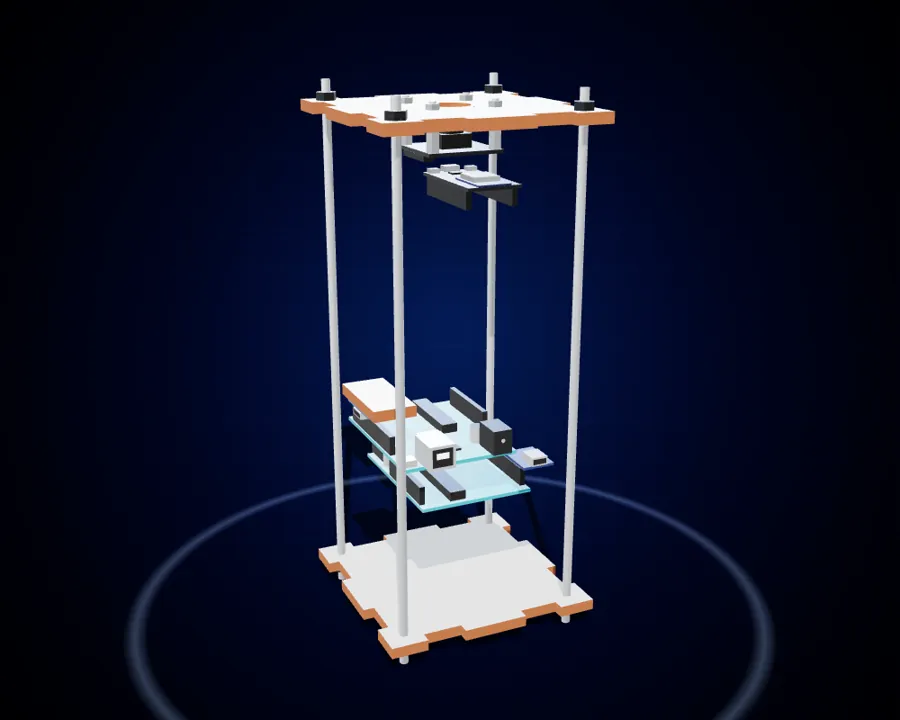
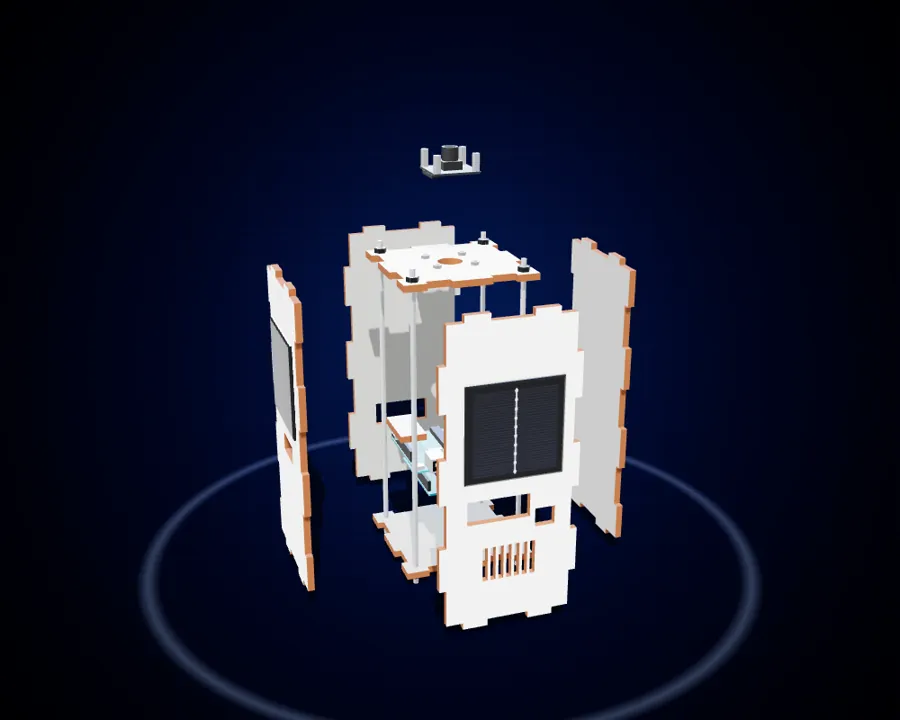 Render of the NOVIS-1 3D model, exploded view
NOVIS-1
A 2U CubeSat built from 5 mm sunboard, threaded rods and off-the-shelf electronics: two Uno-class boards, a NodeMCU Wi-Fi link, GPS, motion and climate sensors, a camera and four mini solar cells.
Kits, parts and models
Satellites and Earth
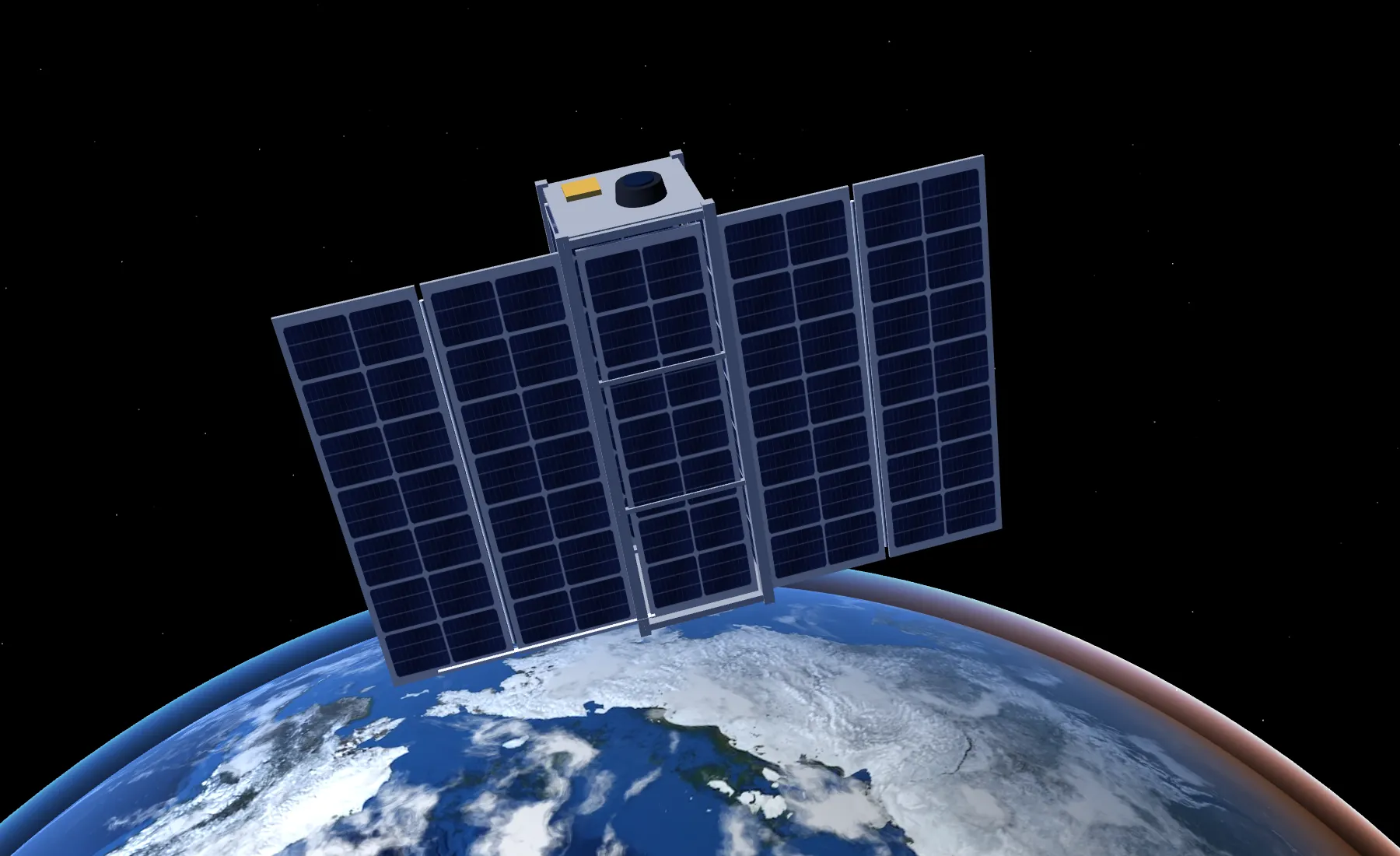

How we label hardware, data and images
Every project, product, reading and picture on this site carries one of these labels.
Working engineering or educational hardware, built and tested on the ground. Not qualified for spaceflight.
Generated data, models or renders used for demonstration and teaching. Never presented as real readings or photos.
Hardware that has passed the testing required for launch. No NOVIS hardware carries this label yet.

Bring NOVIS to your lab or classroom.
Workshops, bulk kits, research partnerships and custom builds.

Credible engineering. An open door for learners.
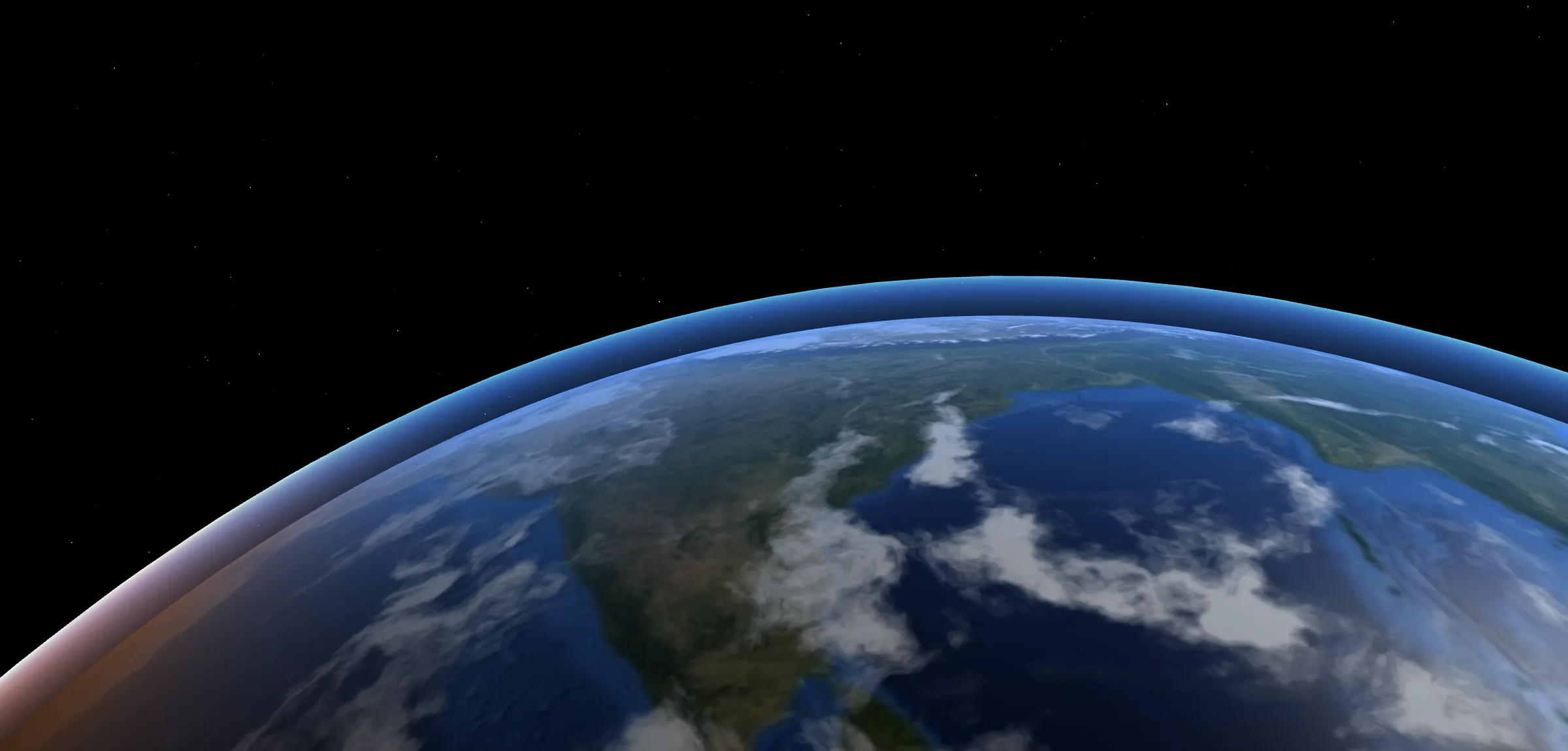
Render · NASA Blue Marble imagery
Make satellite engineering hands-on
Put real CubeSat systems in the hands of students, makers and institutions through kits, documentation and open learning.
A generation that builds for space
A future where building and understanding small satellites is part of every engineering education.
Our story
NOVIS started with NOVIS-1, a 2U CubeSat built as an engineering project. Building it showed how much of satellite engineering can be learned with affordable microcontrollers, common sensors and lightweight materials.
That project became the foundation for a company with three pillars: research that pushes low-cost CubeSat design forward, products that let others build the same systems, and learning material that explains every step.
Capabilities
- CubeSat structure design and prototyping (1U–2U)
- Embedded avionics with Uno-class boards and ESP8266 (NodeMCU)
- Sensor integration: GPS, IMU, pressure, temperature and humidity
- Low-resolution imaging payloads
- Solar charging and USB power systems
- Wi-Fi telemetry and ground dashboards
- Workshops and curriculum support
Team
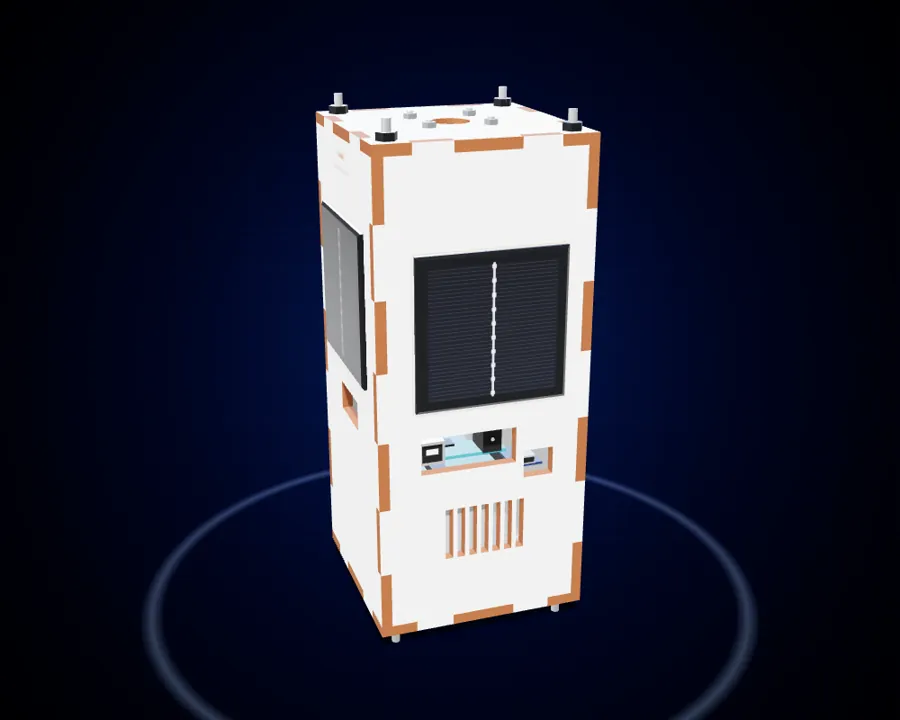
NOVIS-1
Render of the NOVIS-1 3D model
NOVIS-1 packs a complete small-satellite system into the 2U CubeSat envelope. It is built for ground testing and teaching, and it is the reference design for the NOVIS kits.
| Subsystem | Component | Role |
|---|---|---|
| Structure | 5 mm sunboard panels and plates, 4 threaded rods with nuts | 2U body, 10 × 10 × 22.7 cm envelope |
| Communications | NodeMCU (ESP8266) | Wi-Fi link that sends telemetry to the ground dashboard |
| Onboard computing | Uno-class board × 2 (ATmega328P) | Read sensors and run the onboard logic |
| Navigation | NEO-6M GPS | Position, altitude and UTC time |
| Attitude | MPU6050 | 3-axis accelerometer and 3-axis gyroscope |
| Environment | BMP280, DHT11 | Pressure, temperature, humidity; altitude estimate |
| Payload | OV7670 camera | Low-resolution imaging (up to 640 × 480), looking through the top plate |
| Power | Li-ion charging module, mini-USB module, 4 mini solar cells | Charging, external power and solar input |
Inside NOVIS-1
This is the real NOVIS-1 model. Drag to orbit, scroll or pinch to zoom, and select a part to see what it does. Explode the stack or hide the panels to look inside.
The sensors (GPS, IMU, BMP280 and DHT11) are not modelled yet, so they don't appear in the 3D view. They are listed on the NOVIS-1 page.
Satellites and Earth
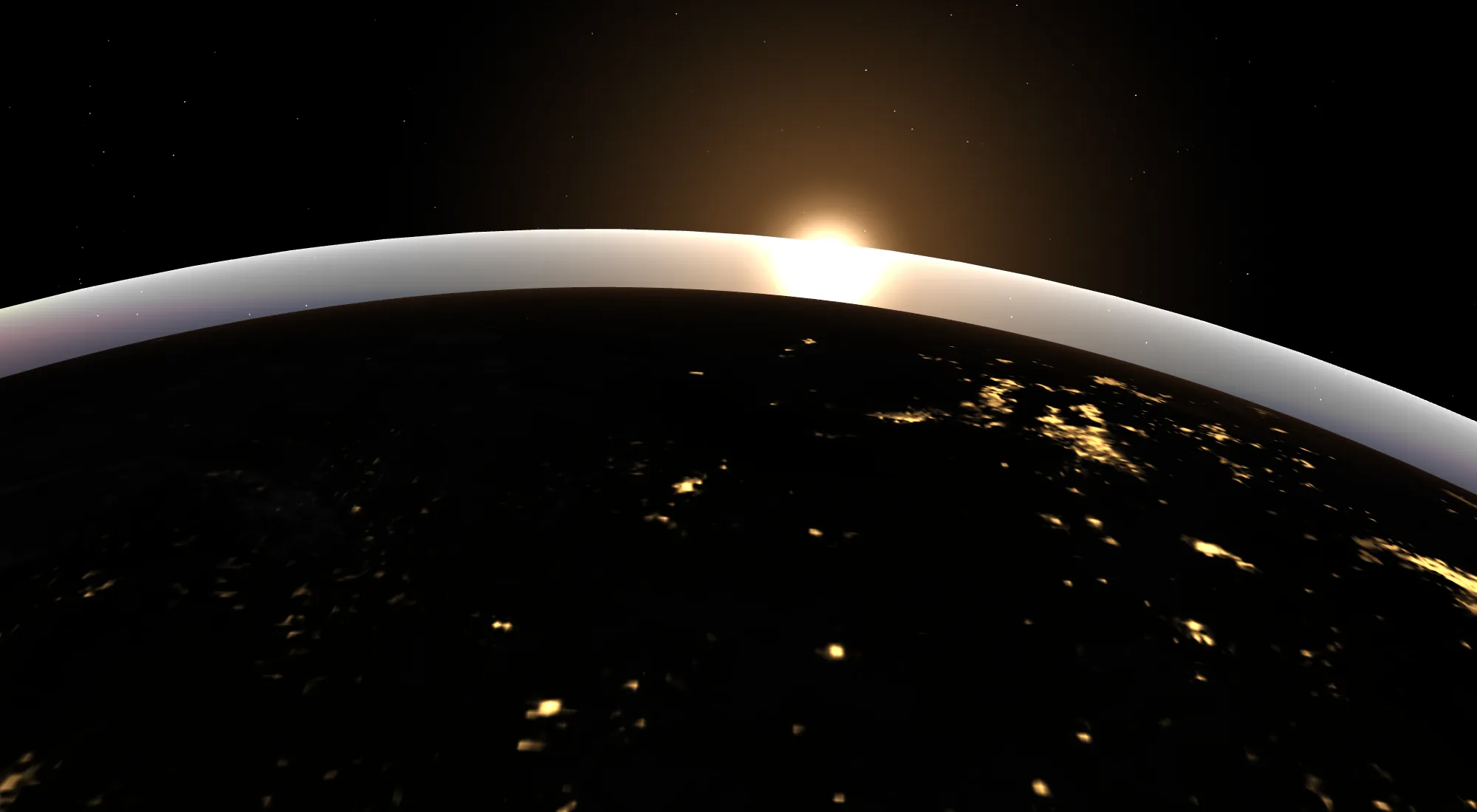
Renders made by NOVIS. Earth imagery comes from NASA's public Blue Marble and Black Marble maps. Select an image to view it full size.
Kits, parts & models
Everything inside NOVIS-1, sold as complete kits or individual parts. Add items to your cart and send an order request. We confirm price, stock, shipping and payment by email.
Order request
Send us your cart and delivery details. We'll confirm the total, stock and payment by email before anything ships.
Learn satellite engineering, one module at a time
Render · NASA Blue Marble imagery
What a CubeSat is
Sizes, standards, and why small satellites changed access to space.
The sensors inside
How a satellite knows where it is, which way it faces, and what is around it.
Build and test
Assemble a kit, wire the sensors and stream telemetry to a dashboard.
Short reads on the systems inside a CubeSat
What is a CubeSat?
A CubeSat is a small satellite built from standard cube-shaped units. One unit, written 1U, is 10 cm on each side (11.35 cm tall including rails). Units stack: a 2U CubeSat like NOVIS-1 is 10 × 10 × 22.7 cm.
Because the size is standardised, CubeSats can share launch deployers and use off-the-shelf parts. That is why universities and schools can now build satellites that once needed a national space agency.
Measuring altitude with air pressure
Air pressure drops as you go higher. A barometric sensor such as the BMP280 measures pressure in hectopascals (hPa), and the standard-atmosphere formula turns it into an altitude estimate:
P is the measured pressure and P₀ is the sea-level reference, usually 1013.25 hPa. Weather changes P₀ from day to day, so set it from a local reference for better accuracy.
How a satellite knows which way it faces
An inertial measurement unit (IMU) such as the MPU6050 combines an accelerometer, which senses acceleration including gravity, and a gyroscope, which senses how fast it is rotating.
On the ground, gravity tells you which way is down, so you can estimate tilt. The gyroscope fills in fast movements. Combining both, for example with a complementary filter, gives a steadier estimate than either sensor alone.
How GPS finds your position
GPS satellites broadcast their position and a very precise time. A receiver like the NEO-6M measures how long each signal took to arrive, works out its distance from at least four satellites, and calculates its position, altitude and the current time.
The module reports this as text sentences in the NMEA format, which a microcontroller can read over a serial connection.
Powering a small satellite
Small satellites run on rechargeable batteries topped up by solar cells. When the satellite is in sunlight the cells charge the battery through a charging circuit. In Earth's shadow, the battery keeps the electronics running.
NOVIS-1 carries a mini solar cell on each side panel, a Li-ion charging module and a mini-USB module so it can also be charged and powered from a cable on the bench.
Documentation
| Document | For | Version | Status |
|---|---|---|---|
| NOVIS-1 assembly manual | 2U CubeSat kit | — | In preparation |
| Wiring diagram | Avionics pack | — | In preparation |
| Firmware and example sketches | Uno / NodeMCU | — | In preparation |
| Component datasheet links | All modules | — | In preparation |
Telemetry dashboard
Altitude estimate from pressure
last 60 samples · 2 s · simulatedEvent log
How much satellite can you build from off-the-shelf parts?
Render · NASA Black Marble imagery
Low-cost onboard computing
ActiveSplitting satellite tasks across two Uno-class boards and a NodeMCU, and testing how reliably they share data.
Attitude sensing
ActiveUsing the MPU6050 to estimate how the satellite is oriented and how it is moving.
Environmental sensing
ActivePressure, temperature and humidity logging with BMP280 and DHT11, including altitude from pressure.
Position tracking
ActiveLogging location and time from a NEO-6M receiver and comparing it with the altitude estimate.
Imaging payload
ActiveCapturing frames with the OV7670 within the memory limits of small microcontrollers.
Solar power on a budget
ActiveCharging from four mini solar cells through a Li-ion charging module, with USB power on the bench.
Development notes
Open a channel
Questions about a kit or an order, a workshop, a research idea or a custom build. Send a message and we reply by email.
Shipping, returns & privacy
Draft policies. Details marked "to be confirmed" will be finalised before online payments open.
Ordering & payment
Checkout on this site sends an order request. We reply by email with the confirmed total, availability, delivery estimate and payment options. Nothing is charged until you accept that confirmation.
Payment methods: to be confirmed.
Shipping
Shipping regions, carriers, delivery times and charges: to be confirmed. Your order confirmation will state them before you pay.
Returns & refunds
Return window, condition requirements and refund method: to be confirmed. Components damaged in transit will be replaced; send photos within a few days of delivery so we can help.
Safety
Kits contain small parts and electronics, and some require soldering. Builders under 14 should work with adult supervision. Use eye protection when soldering and disconnect power before rewiring.
Privacy
We use the details you send (name, email, phone, address and your message) only to answer you and fulfil your order. We don't sell your information. Contact us to see or delete what we hold about you.
Store control
Set prices and stock, and read order requests and messages. Changes save to the site and show to customers right away.
| Product | Category | Price (₹) | Stock |
|---|